
What Causes Window Tint to Turn Purple Over Time?
At Official California Detailing in San Diego, CA, we often see older vehicles with window tint that once looked dark and clean but has gradually developed a purple or bronze appearance. This discoloration is usually connected to the quality and construction of the film, the stability of its colorants, and years of exposure to sunlight and heat.
High-quality automotive window films are designed to maintain their appearance and performance for longer than older or lower-grade films. In this article, we explain why window tint can turn purple, how UV exposure and aging contribute to discoloration, and why choosing the right film and professional installation matters for long-term results.
Why Does Window Tint Turn Purple?
Window tint can turn purple when the materials responsible for its original color begin to degrade over time.
Older or lower-quality dyed films are commonly associated with this problem because prolonged exposure to ultraviolet light and heat can affect the stability of their colorants. As those colorants deteriorate, the film's original dark appearance may begin to shift, creating the purple or bronze discoloration often seen on aging tint.
This does not mean every type of window film will eventually turn purple. Film construction, material quality, environmental exposure, and age all influence how well a tint maintains its appearance.
Common Causes of Window Tint Turning Purple
Several factors can contribute to window tint discoloration. Understanding these causes can help vehicle owners make better decisions when choosing replacement film.
Low-Quality or Aging Dyed Film
Older or lower-quality dyed films are commonly linked to purple discoloration.
These films depend heavily on colorants to create their dark appearance. After years of exposure to sunlight and heat, those colorants can become less stable and gradually change in appearance.
The film may look perfectly acceptable when first installed, which means differences in quality are not always immediately visible. Over time, however, better materials and manufacturing can make a noticeable difference in how well automotive window tint retains its color.
Choosing a film with proven color stability can help reduce the risk of premature fading and discoloration.
Prolonged UV and Sun Exposure
Sunlight is another major factor in the aging of automotive window film.
Ultraviolet radiation and repeated heat exposure place stress on tint materials over time. When a lower-quality or aging film is exposed to frequent direct sunlight, discoloration may become more noticeable as the film's components begin to degrade.
For drivers in sunny areas such as San Diego, long-term color stability is an important consideration when choosing automotive window film.
A quality film designed to resist fading and UV exposure can provide a more consistent appearance as the years pass.
Age and Adhesive Breakdown
Even well-installed window film experiences years of changing temperatures, sunlight, and normal environmental exposure.
As older film ages, the adhesive and other layers may begin to deteriorate. Discoloration can sometimes appear alongside other signs of aging, including bubbling, peeling, lifting edges, or haziness.
When several of these symptoms appear together, the film may simply be reaching the end of its useful life. In that situation, professional removal and replacement may be the best way to restore a clean appearance.
How Film Quality Affects Discoloration
Film quality plays one of the largest roles in how automotive tint maintains its appearance over time.
Modern, higher-quality films use advanced materials and manufacturing technologies designed to improve durability, heat rejection, UV protection, and color stability. Different products achieve these results through different film constructions, so it is important not to assume that every premium film works the same way.
For example, some advanced automotive films combine ceramic technology with specially engineered dyes or other materials to improve performance and maintain a stable appearance.
At Official California Detailing, we offer quality 3M automotive window films designed for long-term automotive use. Selecting a proven film from the beginning can help reduce the likelihood of the purple discoloration commonly associated with older or lower-grade tint.
How Sun Exposure Speeds Up Window Tint Aging
Frequent sun exposure can accelerate the normal aging process of automotive window film.
UV radiation and heat repeatedly affect the film whenever the vehicle is exposed to direct sunlight. Over many years, lower-quality films may show the effects of this exposure through fading, discoloration, adhesive deterioration, or other visible changes.
Windows that receive frequent and prolonged direct sunlight may experience greater UV and heat exposure over time.
This is one reason film selection matters. Choosing a tint designed for strong UV resistance, heat performance, and color stability can help maintain a cleaner and more consistent appearance throughout its service life.
Can Purple Window Tint Be Repaired?
Once an older tint has noticeably changed color, restoring the film itself is generally not practical.
Cleaning the glass will not reverse discoloration that originates within the window film. If the tint has turned purple, bubbled, peeled, or significantly deteriorated, removing the old film and installing new automotive window tint is usually the more appropriate solution.
Professional removal is also important because aged adhesive can remain on the glass after the film is removed. Proper preparation helps create a clean surface before replacement tint is installed.
How Professional Installation Supports Long-Lasting Results
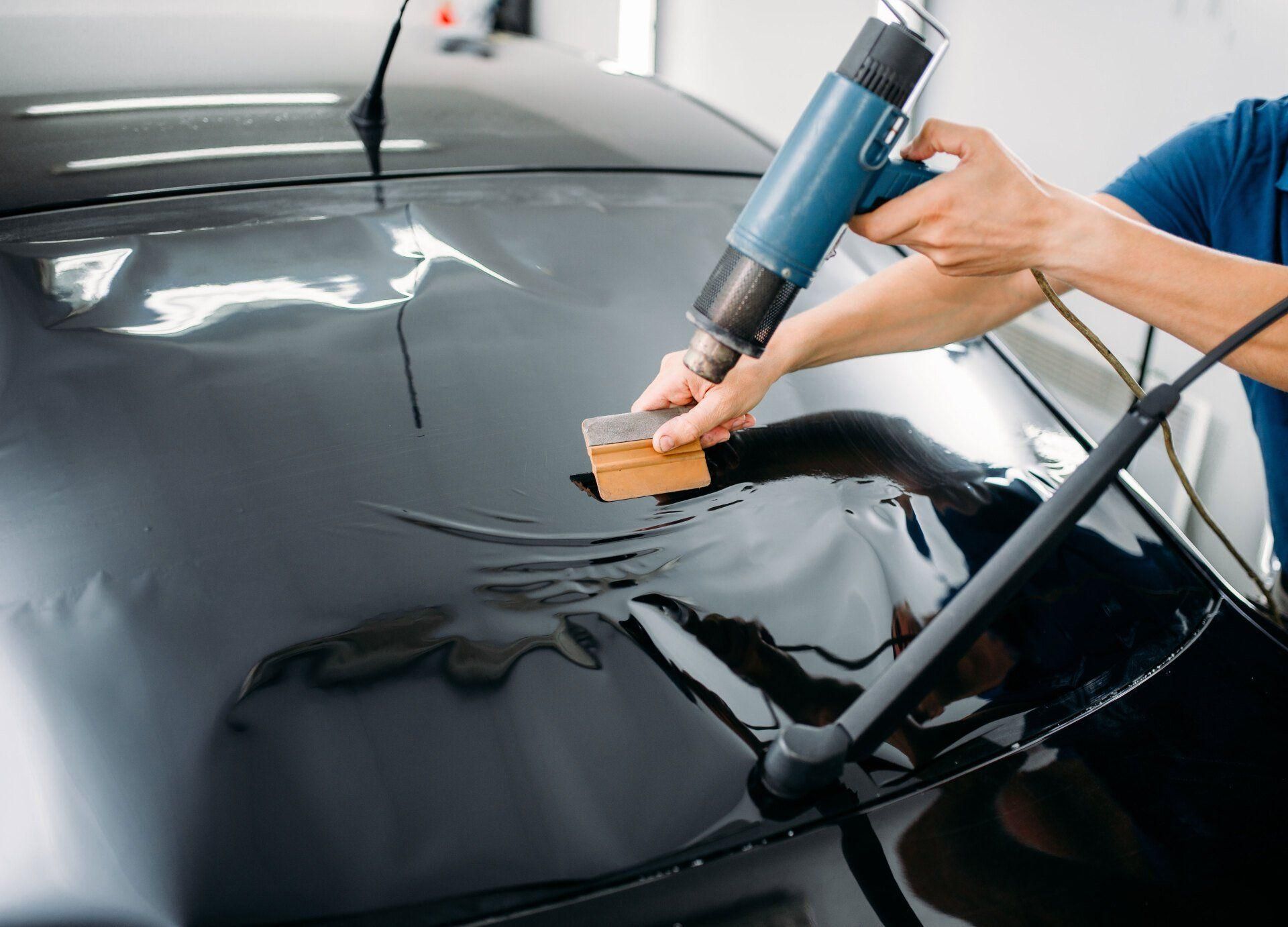
Film quality has a more direct influence on long-term color stability, but professional installation is still important to the overall appearance and durability of automotive window tint.
Proper installation begins with careful glass preparation and clean film application. This helps reduce contamination, gaps, lifting edges, and other installation-related issues that can affect how the finished tint looks and performs.
A professional Window Tinting service can also help vehicle owners compare film options based on appearance, heat rejection, UV protection, and other priorities.
Using quality materials together with careful installation provides a better foundation for long-lasting tint than simply choosing the lowest-cost film available.
Trust Official California Detailing for Quality Window Tinting
Window tint turning purple is commonly associated with aging or lower-quality film that has experienced years of UV and heat exposure. Choosing a film designed for strong color stability can help maintain a cleaner appearance while also providing the performance benefits drivers expect from automotive tint.
At Official California Detailing in San Diego, CA, we bring more than 18 years of automotive detailing experience to our work and offer quality 3M window tint options for a range of vehicles and preferences.
Our team focuses on proper preparation, careful installation, and helping each client choose a film that fits their needs. Whether you are replacing old, discolored tint or upgrading your vehicle for better comfort and protection, we can help you explore the available options.
If your current tint is starting to fade, bubble, or change color,
connect with Official California Detailing to explore replacement options and find the right window film for your vehicle.
Recent Posts