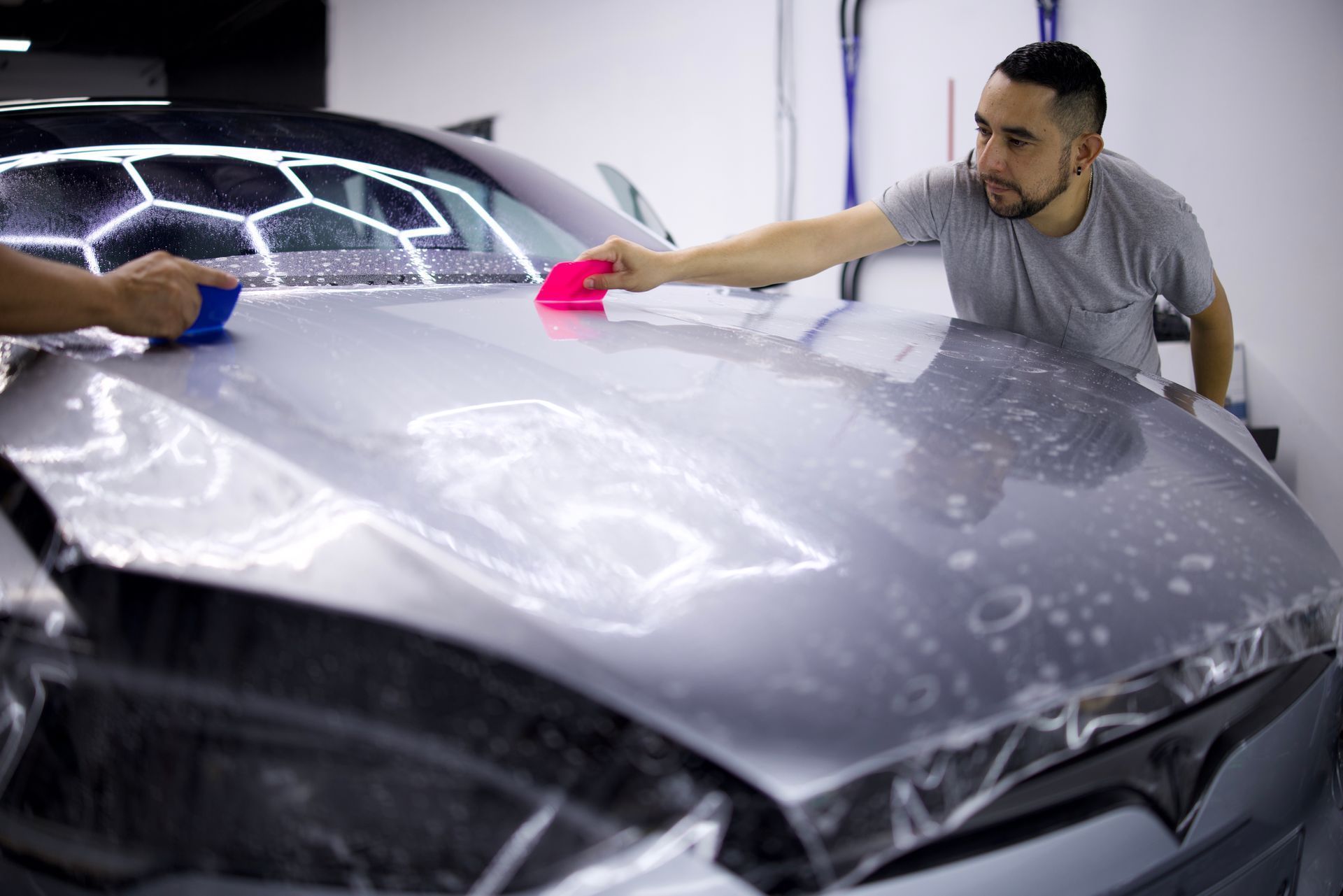

Give your paint a fighting chance against San Diego roads, coastal grime, rock chips, and daily wear. Official California Detailing installs Paint Protection Film (PPF) that keeps your vehicle looking clean and better protected.
Official California Detailing Blog
How Can You Tell If Your Car’s Ceramic Coating Is Still Working?
November 27, 2026
Water beading, surface smoothness, and cleaning performance may change as an existing ceramic coating ages. At Official California Detailing in San Diego, CA, we explain how to tell if ceramic coating is still working by looking beyond a single visible change. Surface contamination can temporarily affect performance even when the coating remains present. We assess performance after cleaning before discussing replacement. We also explain which signs can be checked through regular maintenance and which deserve professional attention.
What Does Water Behavior Reveal About Ceramic Coating Performance?
Water behavior offers a useful clue, but cannot establish how much coating remains. We observe droplets and drainage on clean paint. A clean panel matters because surface buildup can produce misleading results while the coating remains present.
Water Beading on a Clean Surface
Rounded droplets are a familiar sign of hydrophobic behavior. When water beads across a clean panel, the surface is still showing water-repellent characteristics. We compare areas because panel angle and residue affect the results.
Water Sheeting and Drainage
Some coated surfaces release water in moving sheets rather than forming particularly tight beads. We compare drainage under similar conditions. Coating formulations and surface angles can create different results.
Why Reduced Beading Does Not Always Mean Coating Failure
Minerals, road film, and cleaning residue can mask water repellency without confirming deterioration. A suitable wash and, when needed, decontamination can reveal whether the earlier behavior returns. Water response alone cannot measure remaining protection. Recently applied maintenance products may influence beading, so we also review what was used during the last wash.
How Does Surface Contamination Affect Ceramic Coating Performance?
Everyday buildup can mask a coating's performance. We distinguish removable residue from concerns needing inspection. Buildup may cover a panel unevenly, making one section shed water easily while the next appears almost unprotected.
Road Grime, Dust, and Environmental Fallout
Road film and particles may alter water behavior or make grime harder to rinse. Neither change proves coating failure. We assess the surface after cleaning.
Mineral Deposits and Water Spots
Evaporated water leaves minerals that may disrupt beading and create uneven patches. We assess severity before treating deposits to avoid unnecessary wear. Mineral spotting can be misleading because visible outlines may remain even after loose grime is removed.
Residue From Unsuitable Cleaning Products
Some soaps and surface treatments leave films that change water behavior. We review washing history before assuming failure. Temporary changes in gloss do not measure protection.
Why Professional Decontamination Matters
At
Official California Detailing, our OCD Cleansing Wash includes chemical and light mechanical decontamination for contaminated exteriors. We select methods for the coating and surface. Removing accumulated residue may restore observable performance without automatically requiring another coating application. We evaluate the results afterward rather than assuming that every change in beading requires additional products.


What Other Signs Help Determine Whether Ceramic Coating Is Still Working?
We also assess surface texture, cleaning effort, and differences between panels.
Changes in Surface Smoothness
A surface that feels less smooth may have bonded particles above the coating. Texture alone does not establish failure; we check for remaining contamination. A wash may remove loose dust while bonded fallout remains, so we distinguish the two before judging performance.
Increased Dirt and Grime Retention
If washing becomes harder, we review maintenance, driving conditions, and grime that can mask performance. We compare results after consistent cleaning.
Reduced Gloss or Uneven Appearance
Water spots, surface films, and underlying paint imperfections can all change perceived gloss. Reduced shine does not prove coating loss. We compare clean, dry sections under similar lighting because reflections vary with viewing angle and the paint condition beneath the coating. Appearance and protective performance do not always decline together.
Inconsistent Results Across Panels
Panels experience different exposure. We compare similarly cleaned surfaces to identify localized concerns. One affected area does not define the entire vehicle.
How to Tell If Ceramic Coating Is Still Working After Proper Cleaning
We begin evaluation on clean, cool paint with suitable aftercare products, avoiding unnecessary disturbance of the finish.
Begin With a Coating-Safe Exterior Wash
We recommend gentle hand washing with suitable soap and clean washing materials. Our aftercare guidance recommends washing every two to four weeks. We avoid harsh chemicals and abrasives that may wear the coating.
Check Water Behavior After Washing
Once loose contamination has been removed, we observe how water forms and leaves the surface. We compare similar panel angles and conditions. We look for hydrophobic behavior after washing. A consistent, gentle rinse helps produce a more useful comparison than directing a concentrated spray at one isolated area.
Inspect for Remaining Contamination
If certain areas still feel rough or display water spots, we consider whether bonded deposits are hiding the coating's behavior. We avoid polishing as a diagnostic method because it can remove protection. A professional assessment helps determine whether decontamination is appropriate.
Compare Multiple Painted Panels
We look for consistent differences between the hood, doors, and other coated areas. Exposure varies between panels, so we compare them after similar washes.
Avoid Aggressive Home Testing
We discourage scraping, abrasive pads, strong chemicals, or repeated polishing just to see whether a coating remains. These methods can damage an otherwise serviceable coating. Washing and observation are safer. We also avoid conclusions based on exaggerated demonstrations that do not reflect normal maintenance conditions.
How Do San Diego, CA, Driving Conditions Affect Ceramic Coating Performance?
Vehicles in San Diego, CA, may encounter coastal moisture, airborne dust, traffic film, and mineral-containing wash water. These exposures can leave deposits on coated paint and change the way water behaves across the surface. Even a serviceable coating may appear less hydrophobic when residue accumulates.
We consider driving, storage, and maintenance routines. Frequent exposure to outdoor parking or coastal conditions may call for closer attention to cleaning, but it does not automatically mean coating failure. Our evaluation remains focused on the finish's actual condition after appropriate maintenance.
When Should Ceramic Coating Performance Be Professionally Inspected in San Diego, CA?
An occasional change in beading does not always require a service appointment. Persistent inconsistency or stubborn deposits may warrant professional attention.
When Water Repellency Stays Reduced
If beading and drainage remain noticeably different after a proper wash, we investigate contamination, product history, and the possibility of genuine wear. We do not diagnose coating failure from water behavior alone.
When Contamination Persists After Washing
Stubborn mineral deposits or bonded particles may require professional decontamination. Our detailing services provide a way to address buildup without starting with unnecessary polishing or full replacement.
When Performance Varies Sharply Between Panels
A persistent difference between similarly cleaned sections can point toward localized exposure or an issue requiring closer inspection. We examine the affected area rather than assuming every coated panel needs identical treatment.
When Maintenance History Is Unclear
We review coating identity, installation date, washing history, and manufacturer guidance. These details help guide the next step, particularly when a vehicle was coated elsewhere.

Does Reduced Performance Mean Ceramic Coating Needs Replacement?
Reduced performance does not automatically require recoating. Through our Ceramic Coating service in San Diego, CA, we install Owner's Pride systems and emphasize product-appropriate maintenance. We assess the existing layer before discussing replacement.
When Maintenance May Be Enough
Routine washing or suitable decontamination may remove residue that has been masking water behavior. We reassess the surface after cleaning instead of recommending replacement based on its appearance beforehand.
When Professional Restoration May Help
Our ceramic coating aftercare information describes restoration and maintenance options. We consider the coating's condition and the products involved to determine whether professional cleaning or coating-specific maintenance is a sensible next step.
When Reapplication May Be Considered
A fresh coating may be appropriate if the original protection has genuinely deteriorated or paint preparation is required. We review manufacturer instructions first, because additional layers are not automatically compatible with an older coating.
Get Professional Ceramic Coating Guidance in San Diego, CA
Understanding how to tell if ceramic coating is still working involves more than watching droplets form on the paint. We assess water drainage, accumulated residue, cleaning effort, and differences between panels after suitable maintenance. Our Owner's Pride coating and exterior detailing services in San Diego, CA, support ongoing care. A decline in beading or gloss does not always mean protection needs replacement. When concerns continue after routine cleaning, we can review the finish and discuss appropriate care.
Contact Official California Detailing to discuss ceramic coating maintenance or request a professional assessment.
Frequently Asked Questions About Ceramic Coating Performance
Does Ceramic Coating Stop Working When Water No Longer Beads?
Not necessarily. Mineral deposits and other surface residues can interfere with visible beading. We recommend evaluating the coating after appropriate cleaning before concluding that protection has failed.
Can Ceramic Coating Still Work if the Paint Feels Rough?
Yes. Bonded contamination can create roughness above an existing coating. We consider the condition after washing and whether decontamination is necessary before drawing conclusions.
How Often Should Ceramic Coating Be Inspected?
Our aftercare guidance recommends inspecting coated surfaces every six to twelve months. We also consider maintenance history and unusual performance changes when deciding whether an earlier inspection makes sense.
Recent Posts