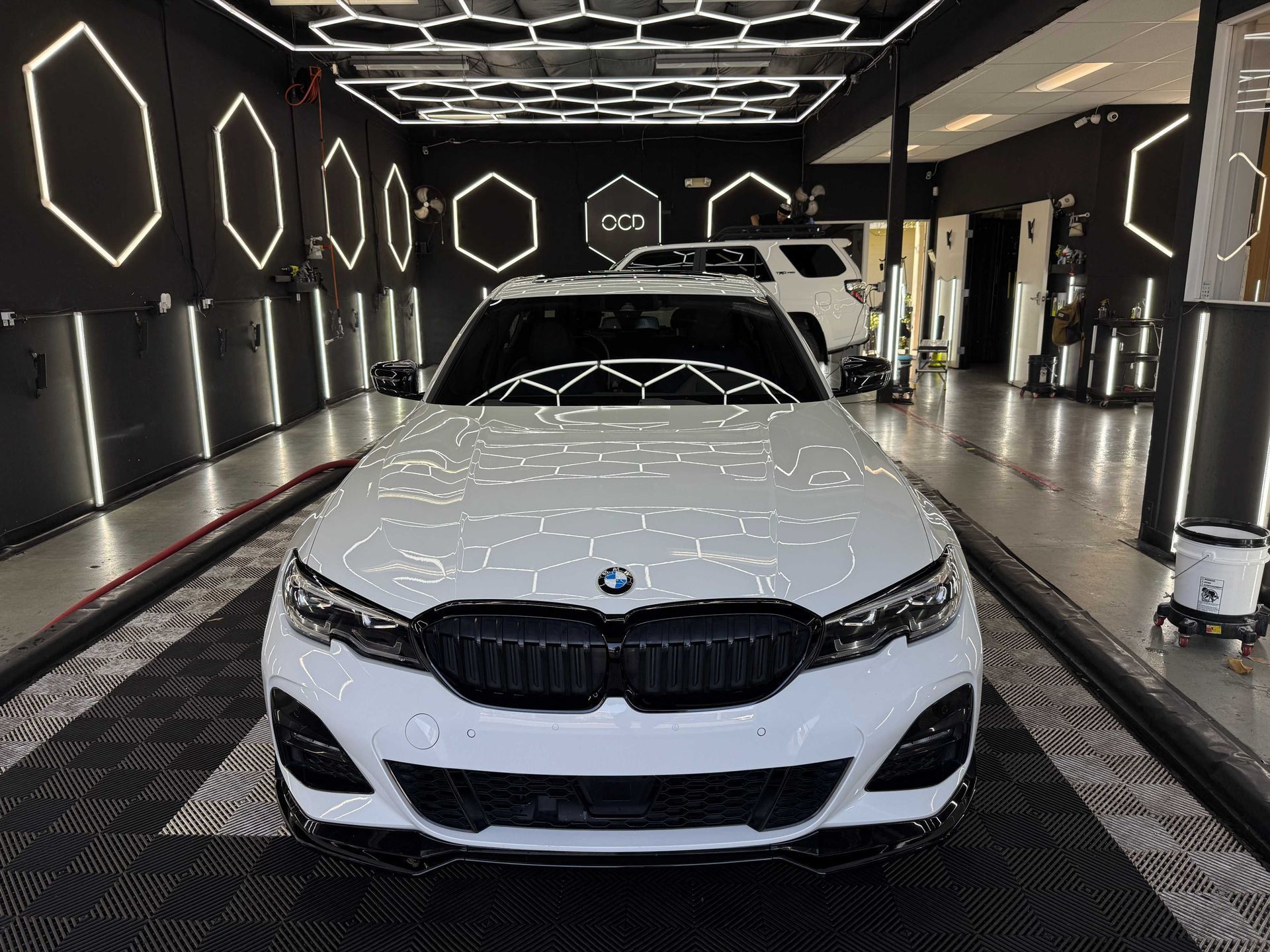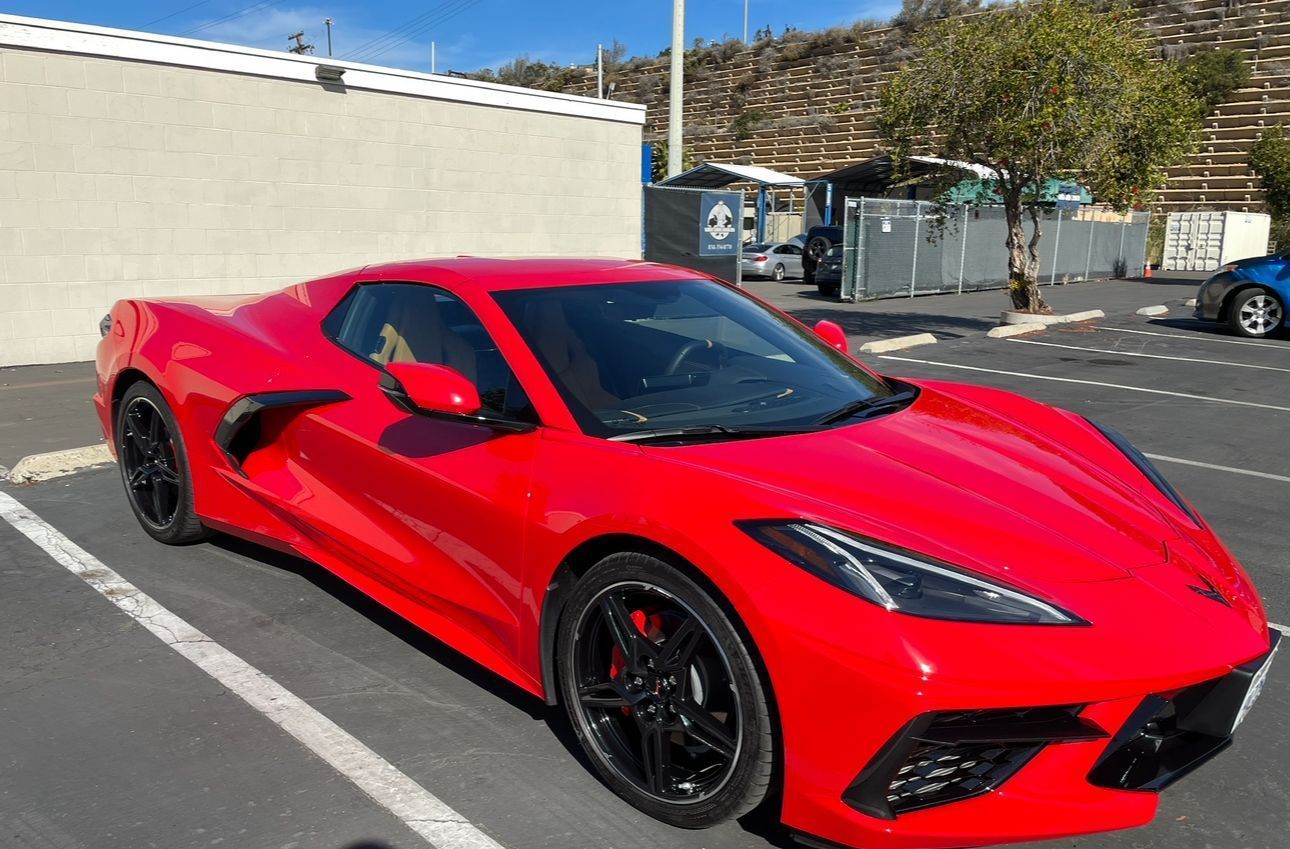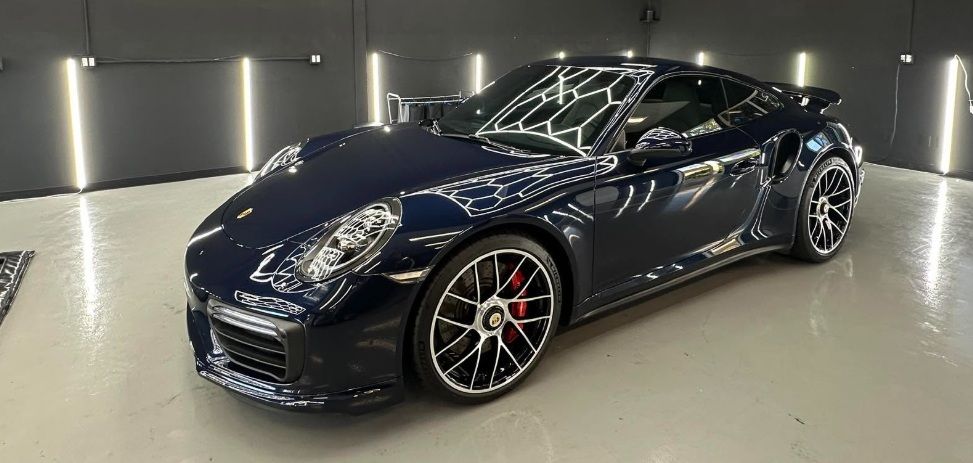

Give your paint a fighting chance against San Diego roads, coastal grime, rock chips, and daily wear. Official California Detailing installs Paint Protection Film (PPF) that keeps your vehicle looking clean and better protected.
Official California Detailing Blog
Ceramic Coating vs Graphene Coating: What Is the Real Difference?
August 20, 2026
Road surfaces often carry acidic and reactive contaminants that can bond with unprotected paint. The protective barrier formed during installation limits direct contact between these substances and the factory clear coat. This improves resistance against surface deterioration caused by environmental exposure.
- The coating package selected
- Paint condition before application
- Surface preparation
- Driving habits
- Vehicle storage
- Washing methods
- Ongoing maintenance
Car owners across San Diego, CA often reach a point where they want more than a standard wash and wax for their vehicle. Two options that frequently come up are ceramic coating and graphene coating. Both are designed to add a protective layer over automotive paint while enhancing gloss, water repellency, and ease of maintenance. At
Official California Detailing, we work with vehicle owners throughout San Diego who want to understand which option fits their vehicle, driving habits, and budget. This guide explains the real differences between ceramic coating and graphene coating so you can make an informed decision.
What Is Graphene Coating?
Graphene coating is a newer development in automotive paint protection. Some products incorporate graphene or graphene oxide into a coating formula that may also contain ceramic or silica-based components. Graphene is a carbon material known for properties such as strength and thermal conductivity. When incorporated into a coating, it is intended to influence the coating's surface characteristics and overall performance.
For San Diego drivers, graphene coatings can be appealing because many are designed to provide a slick surface, water repellency, and a glossy appearance. However, performance varies by formulation. The actual product, installation process, warranty, and maintenance requirements matter more than the label alone.
- Wax
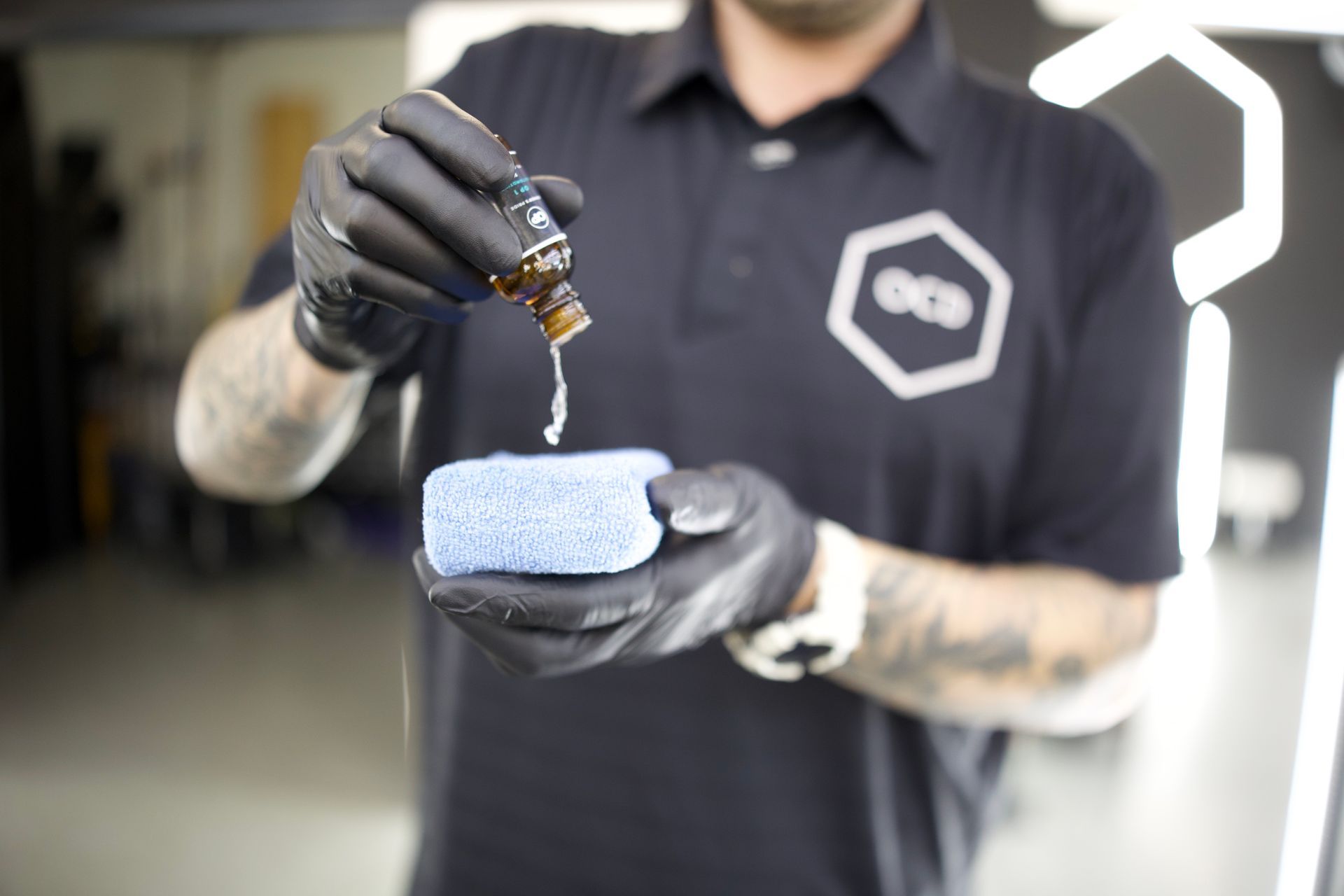
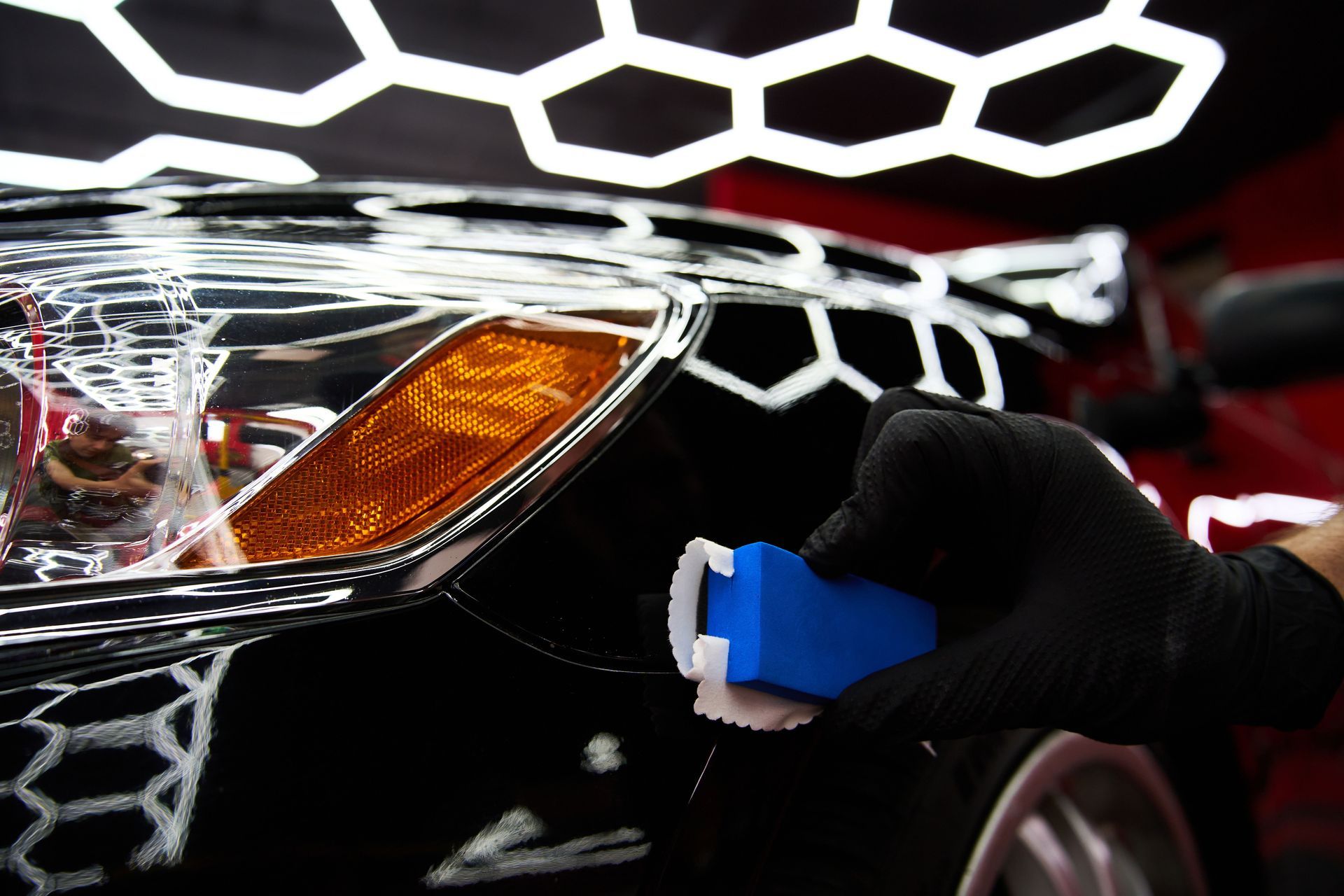
The ceramic coating service we provide at Official California Detailing has been expertly engineered to reduce the everyday maintenance of your car. This service on your car paint layers boosts its surface, making it shine and adding depth to the paint gloss.
Swirl-free hand washes, faultless paint polishing, careful vinyl wrap, PPF, and window tint services are just a few of the detailing services that OCD provides.
Precision paint correction and automotive ceramic coatings are our areas of expertise. An authorized installer of Owners Pride, car manufacturers in ceramic coating and car detailing solutions, are Official California Detailing.
OCD possesses all the required licenses and insurance to complete any job you may assign. Consistently, we provide our clients with the highest level of protection, professionalism, and materials. Contact us immediately, and we'll reveal the reasons why you fell in love with your automobile in the first place.
If your car is brand new, the paint, grille, plastic trim, and other components are unlikely to be faded, scuffed, or damaged. For brand-new cars, the options for using car paint protection are virtually limitless.
However, if your car is more than a year old, there is a good chance that some visible paint defects, such as minor scratches, exist. Before applying car paint protection, it's always a good idea to have one of our professional detailers address and correct any paint defects that the paint job or outside of the vehicle exhibits.
Candy-Like Gloss
Preparing the Vehicle for Paint Protection Film
Quality material is key when it comes to achieving the perfect tinted window, but with so many options on the market, where do you begin? Investing in quality materials does not mean having to break the bank either. There are plenty of cost-effective options available, such as vinyl films from reputable brands that offer UV protection and scratch resistance without costing an arm and a leg.
When it comes to the quality of the materials, many professional window tinting services recommend thin films that have been made with technology that doesn't reflect light. These kinds of films give drivers and passengers a lot of privacy without making it hard to see or causing an annoying glare. Thick films, on the other hand, can create an excessive amount of heat inside the vehicle during times of hot weather and bright sunlight..
Final Words
Why Choose OCD for Installing The Best Paint Protection Film?
Mastering Paint Correction Techniques
Experience the pinnacle of automotive protection and shine with Official California Detailing. Our team's expertise in ceramic coating is unmatched, ensuring your vehicle maintains its showroom brilliance for years. Explore the benefits of this advanced technology and make informed decisions about your car's aesthetics. From enhanced gloss to formidable durability, ceramic coating elevates your driving experience. Shield against UV rays, chemicals, and pollutants, preserving your car's value.
Schedule an appointment with us today!
Maintaining control over your polishing machine is crucial for even polishing and avoiding excessive heat build-up or accidental damage. Use consistent pressure, keep the pad flat against the surface, and work in overlapping passes to ensure uniformity across panels.
2. Cutting-Edge Techniques and Technology
4. Comprehensive Restoration, Inside and Out
Investing in professional paint correction not only enhances your vehicle's immediate visual appeal but also contributes to its long-term value. By addressing imperfections and protecting against future damage, our services ensure that your vehicle maintains its aesthetic allure and resale value for years to come.
You'll require an application solution to assist in the installation process. The solution can be a mix of water and baby shampoo or a commercial slip solution. This mixture helps ensure that the film can be adjusted during the application, providing flexibility for proper alignment before it sets.
Additionally, you'll want to steer clear of any abrasive cleaners. These can scratch the surface of the film, making it appear dull and reducing its effectiveness. Abrasive cleaners also leave tiny scratches that can trap dirt and debris, creating a hazy look that's difficult to remove.
Tip: Look for products that have been specially formulated for use on tinted windows. They will help preserve the quality and appearance of your window tint.
Ultimately, using the correct cleaning products can prevent long-term film degradation and discoloration while keeping your tint looking fresh and clear for years to come.
Cutting Tools
Heat Rejection and UV Protection
Many assume tints make a car hotter by trapping heat inside, but that’s false—especially when using advanced materials like ceramic window films. These modern tints block up to 99% of harmful UV rays and 94% of infrared heat. That results in cooler interiors during hot summer days, less reliance on your vehicle's air conditioner, protection against skin-damaging UV exposure, and extended life for your car’s interior materials.
California’s climate can be unforgiving—whether you’re parked outside a grocery store, driving across town, or stuck in freeway traffic. The sun doesn’t just impact comfort; it causes wear and tear that accumulates over time. Professional-grade tints act as a thermal barrier, shielding both the driver and the vehicle from excessive heat buildup.
Maintaining covered factory paint can support the vehicle’s overall presentation during continued ownership, appraisal, trade-in, or resale.
PPF does not guarantee a higher vehicle value. Mechanical condition, mileage, service history, market demand, and accident history remain important factors.
However, a well-maintained exterior can contribute to a cleaner overall appearance and demonstrate consistent vehicle care.
Key Differences Between Ceramic Coating and Graphene Coating
Ceramic and graphene coatings have similar goals: protecting paint, improving gloss, and making routine care easier. The main difference is in the formulation and technology used by individual products. Comparing several performance factors can help you determine which option better matches your needs.
Heat and Environmental Exposure
Ceramic coatings provide a protective barrier that helps shield paint from environmental contaminants and UV exposure. Graphene-infused coatings are often marketed with additional thermal properties because graphene is known for its thermal conductivity.
That does not mean a graphene coating acts as a cooling system or automatically keeps automotive paint significantly cooler in direct sunlight. For San Diego vehicles that spend time outdoors, environmental exposure remains important regardless of coating type. Choosing a product based on its documented performance and maintaining the vehicle properly are more practical considerations than broad claims about heat management.
Hydrophobic Properties and Easier Cleaning
Both ceramic and graphene coatings can create a hydrophobic surface that causes water to bead and run off more readily. This can help reduce how easily dirt and other contaminants remain bonded to the paint.
Some graphene-infused products are also formulated to provide a very slick surface, which may make routine cleaning easier. Hydrophobic performance varies by product and can decrease when the surface becomes contaminated or the coating is not maintained properly.
Neither coating eliminates the need for regular washing. Removing bird droppings, tree sap, road grime, and other contaminants promptly helps preserve the appearance of the protected finish.
Durability and Surface Protection
Ceramic coatings create a durable layer over automotive paint and can help protect against common environmental contaminants. Graphene-infused coatings can offer similar protection, with some products designed to provide strong durability and surface slickness.
However, graphene coating does not make paint scratch-proof. Neither ceramic nor graphene coating replaces Paint Protection Film when the main goal is protection from rock chips, scratches, and physical impact. The actual durability of either coating depends on the specific product, paint preparation, installation quality, environmental exposure, and maintenance routine.
Gloss and Finish
Both coating types can enhance the appearance of automotive paint by adding gloss and clarity. Ceramic coating is widely used for its deep, reflective finish, while some graphene-infused products are formulated to provide a slick, glossy appearance.
The final result depends on more than the coating itself. Paint condition, polishing, surface preparation, application technique, and product formulation all influence the finished appearance. A coating will not remove existing paint defects, so suitable correction work before installation can improve the final result.
UV and Oxidation Resistance
San Diego vehicles can experience significant UV exposure throughout the year. Ceramic coatings can help protect the underlying paint from environmental exposure and slow the effects of oxidation when properly installed and maintained.
Graphene-infused coatings can provide similar protective benefits, but it is not accurate to assume that every graphene product automatically provides superior UV protection. The level of protection depends on the specific formulation and how well the coating is applied and maintained.
Beyond helping prevent major damage, window tint can also make day-to-day interior care easier for vehicle owners.

- Wax
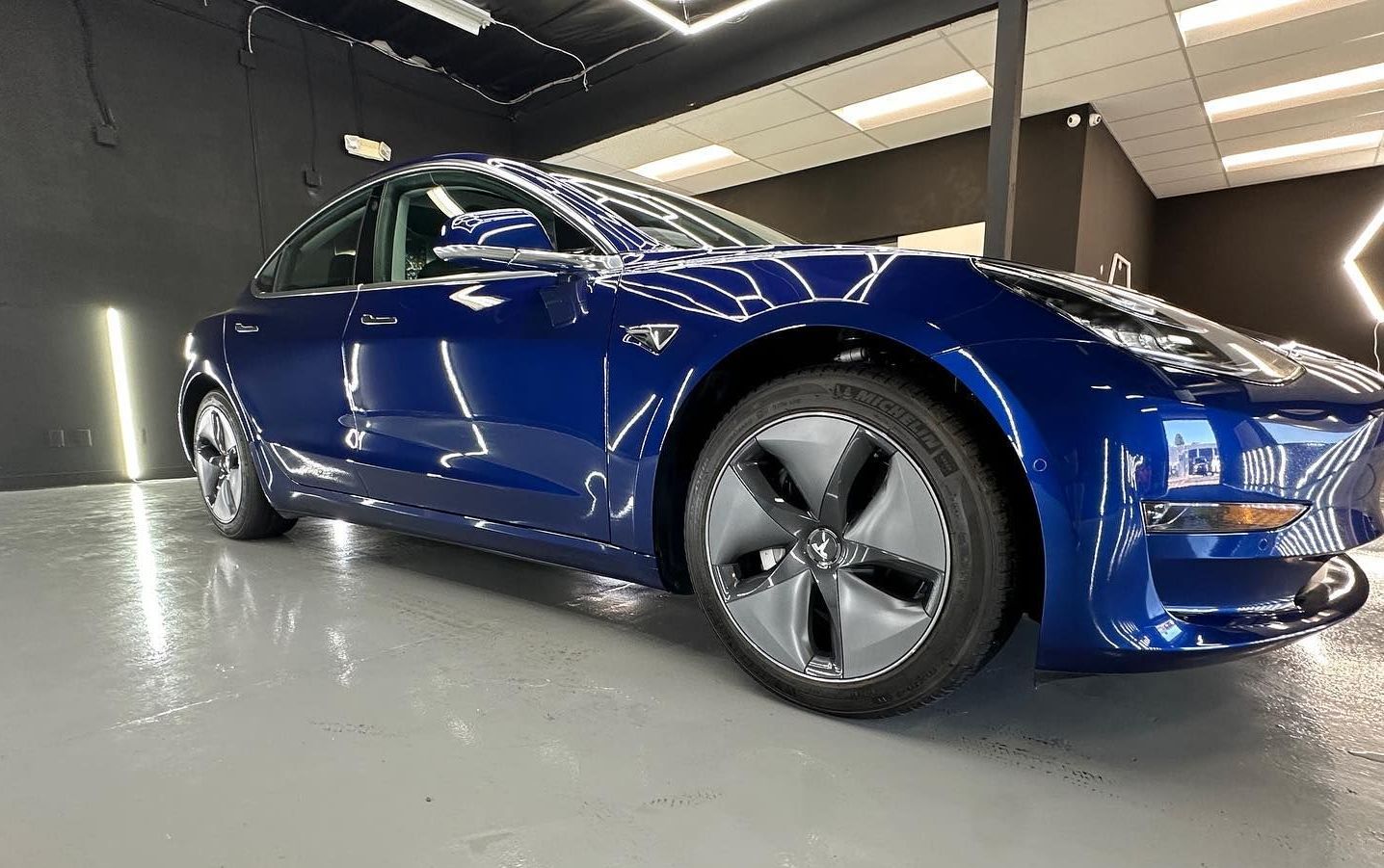
The ceramic coating service we provide at Official California Detailing has been expertly engineered to reduce the everyday maintenance of your car. This service on your car paint layers boosts its surface, making it shine and adding depth to the paint gloss.
Swirl-free hand washes, faultless paint polishing, careful vinyl wrap, PPF, and window tint services are just a few of the detailing services that OCD provides.
Precision paint correction and automotive ceramic coatings are our areas of expertise. An authorized installer of Owners Pride, car manufacturers in ceramic coating and car detailing solutions, are Official California Detailing.
OCD possesses all the required licenses and insurance to complete any job you may assign. Consistently, we provide our clients with the highest level of protection, professionalism, and materials. Contact us immediately, and we'll reveal the reasons why you fell in love with your automobile in the first place.
If your car is brand new, the paint, grille, plastic trim, and other components are unlikely to be faded, scuffed, or damaged. For brand-new cars, the options for using car paint protection are virtually limitless.
However, if your car is more than a year old, there is a good chance that some visible paint defects, such as minor scratches, exist. Before applying car paint protection, it's always a good idea to have one of our professional detailers address and correct any paint defects that the paint job or outside of the vehicle exhibits.
Candy-Like Gloss
Preparing the Vehicle for Paint Protection Film
Quality material is key when it comes to achieving the perfect tinted window, but with so many options on the market, where do you begin? Investing in quality materials does not mean having to break the bank either. There are plenty of cost-effective options available, such as vinyl films from reputable brands that offer UV protection and scratch resistance without costing an arm and a leg.
When it comes to the quality of the materials, many professional window tinting services recommend thin films that have been made with technology that doesn't reflect light. These kinds of films give drivers and passengers a lot of privacy without making it hard to see or causing an annoying glare. Thick films, on the other hand, can create an excessive amount of heat inside the vehicle during times of hot weather and bright sunlight..
Final Words
Why Choose OCD for Installing The Best Paint Protection Film?
Mastering Paint Correction Techniques
Experience the pinnacle of automotive protection and shine with Official California Detailing. Our team's expertise in ceramic coating is unmatched, ensuring your vehicle maintains its showroom brilliance for years. Explore the benefits of this advanced technology and make informed decisions about your car's aesthetics. From enhanced gloss to formidable durability, ceramic coating elevates your driving experience. Shield against UV rays, chemicals, and pollutants, preserving your car's value.
Schedule an appointment with us today!
Maintaining control over your polishing machine is crucial for even polishing and avoiding excessive heat build-up or accidental damage. Use consistent pressure, keep the pad flat against the surface, and work in overlapping passes to ensure uniformity across panels.
2. Cutting-Edge Techniques and Technology
4. Comprehensive Restoration, Inside and Out
Investing in professional paint correction not only enhances your vehicle's immediate visual appeal but also contributes to its long-term value. By addressing imperfections and protecting against future damage, our services ensure that your vehicle maintains its aesthetic allure and resale value for years to come.
Durability and Longevity
Reducing Maintenance Efforts
Revitalize the Essence of Your Ride with Official California Detailing
With a full car paint protection film installed, you no longer have to depend solely on increasingly expensive waxing or polishing products to maintain the newfound luster of your car's exterior. Instead of frequent waxing and polishing, you'd only need to run maintenance checks occasionally to maintain smoothness and shine.
In essence, using a full-car PPF as a layer of protection for your vehicle means you can wash and maintain its finish without having to worry about fluctuating prices of waxes and polishes.
For optimal car ownership, investing in full car paint protection with quality solutions like those provided by Official California Detailing is undeniably smart. Not only can it protect against environmental elements, but the benefits extend far beyond protecting immediate physical surfaces from wear and tear and contribute to the long-term health, aesthetics, and financial value of your vehicle.
By taking steps to protect the paint on your car, you are not only protecting its glossy finish but also shielding against potential damage caused by insects, bird droppings, road debris and harsh weather conditions. Such precautionary measures could translate to significant savings on repair costs and maintenance over the lifetime of your vehicle.
Take the next step toward optimal preservation with Official California Detailing's full car paint protection services--an investment in both the beauty and resilience of your vehicle that's worth every penny spent.
Get in touch today to begin a journey towards full car paint protection excellence!
Final Words
Metal Components
Key Aesthetic Benefits
Car window tinting is not just about style; it is also an extremely efficient solution for reducing heat inside your vehicle. By blocking solar energy and providing insulation from heat loss through blocking solar energy transmission into your car's interior, window tint helps maintain a cooler interior, increases comfort levels and protects from UV damage, offering many benefits that make professional window tinting worth investing in.
Need to keep your car cool and comfortable this year?
Get in touch with Official California Detailing to learn about our window tinting services, schedule an appointment, and beat the heat all year long! Let us make driving more pleasant than ever before!
Owner’s Pride SiC Coatings have gained popularity for offering multiple package options with lasting durations ranging from 1 to 9 years. This flexibility allows car owners to select a coating that aligns with their preferences and long-term protection needs. What sets SiC Coatings apart is their ease of maintenance and exceptional bonding capabilities with the vehicle's paint, offering reliable shield against environmental elements.
Before making a decision, consulting with a certified professional detailer is highly recommended to ensure that the selected ceramic coating aligns with your vehicle's specific requirements and your desired level of maintenance. By selecting from these top-tier options, you can elevate your vehicle's appearance and safeguard its paintwork for years to come.
Visit
OfficialCaliforniaDetailing.com/contact or call us at (619) 760-4962
to learn more about our comprehensive ceramic coating services and get expert guidance for preserving your car's luster!
Selecting the Ideal Film for Your Vehicle
Ensuring your car’s protection and preserving its value has never been easier or more effective than with Paint Protection Film. Whether it's daily commuting, high-speed highways, or rugged terrains, PPF provides unparalleled protection, maintaining your vehicle’s pristine appearance and resale value.
Ready to safeguard your investment? Book your appointment today at
Official California Detailing and discover the best PPF solution for your vehicle, offering a custom service that meets all your desires and needs!
Paint protection film is not just for luxury cars. Family SUVs, sedans, and minivans also benefit from the added layer of defense. Parents know that kids, strollers, bikes, and pets can easily cause and scuffs. PPF helps reduce the risk of accidental damage, making it a practical choice for families who want to keep their vehicles looking good despite daily use.
Avoid harsh, high-alkaline soaps that can strip the ceramic layer. Instead, opt for pH-neutral shampoos designed specifically for coated vehicles.
Choosing the right window tint isn’t just about enhancing your car’s appearance—it’s about ensuring comfort, safety, and legal compliance. By understanding California’s 2025 tint laws and selecting certified installation from professionals like Official California Detailing, you can enjoy lasting protection and peace of mind on every drive. Ready to get started? Contact Official California Detailing today to
schedule your tint consultation and experience expert installation that keeps your car cool, stylish, and compliant.
Ceramic coating for cars goes far beyond cosmetic improvement. It’s a scientifically advanced solution that shields against UV rays, stops oxidation, and repels pollutants like bird droppings, tree sap, and road grime. For San Diego drivers, where sun and salt are daily realities, it provides the kind of long-term protection that traditional methods like waxing simply cannot match.
Safeguard your car’s finish with the experts at Official California Detailing.
Schedule your ceramic coating service today and discover how professional-grade protection can keep your vehicle looking flawless for years to come.
Gentle washing methods help preserve the film’s smooth behavior and protective qualities.
At Official California Detailing, clear guidance is provided to support consistent maintenance without compromising adhesion or clarity. Routine care ensures that the PPF remains as seamless and visually appealing as the day it was installed while continuing to provide maximum protection against environmental factors common in San Diego, CA.
For drivers in San Diego, structure matters. Bright sun, coastal air, and constant driving demand precision. These PPF installation process steps ensure that protection performs reliably. Each phase supports clarity, alignment, and durability. By following this method, Official California Detailing delivers surfaces that remain balanced and refined.
PPF Installation Process Steps for San Diego Drivers
Conclusion: Stay Cool, Protected, and Legal in 2025
Every vehicle is unique, and so are our tinting solutions. We take time to understand your needs, driving habits, and aesthetic preferences before recommending the right film. With our satisfaction guarantee, you can drive confidently knowing your tint is both compliant and high-performing.
Importance of Professional-Grade Materials
Schedule Your Paint Protection Film Appointment
Daily Commuters
Right after installation, it is important to avoid strong contact until the film has settled. This early care period helps the film form a strong connection with the paint.
Aligning Film Services With Ownership Goals
We also provide guidance on maintaining a vehicle with paint protection film. Proper washing techniques and care routines help ensure the film continues to support exterior paint longevity. Routine care helps maintain the film’s surface behavior and supports consistent exterior condition.
Our goal is to help vehicle owners understand how to integrate film care into their regular maintenance routines. This helps maintain surface stability and supports long-term exterior care.
Paint protection film plays an important role in supporting exterior paint longevity by reducing direct contact with environmental elements that can affect surface condition over time. In San Diego, where sunlight, coastal air, road debris, and daily driving conditions influence vehicle surfaces, paint protection film provides a physical surface layer that helps maintain paint stability and surface consistency.
Understanding How Paint Protection Film Supports exterior paint longevity allows vehicle owners to make informed decisions about preserving their vehicle’s finish. By reducing environmental interaction, supporting easier maintenance, and maintaining a consistent exterior appearance, paint protection film contributes to long-term vehicle care and ownership confidence. If you would like to learn more about paint protection film and how it can support your vehicle’s exterior,
contact us to discuss your options and schedule a service.
Improved Aesthetic and Resale Value
Professional Window Tinting Services in San Diego by Official California Detailing
Gentle washing methods allow drivers to remove environmental residue without affecting the surface beneath. Soft wash materials and balanced cleaning products help maintain the appearance of the exterior while preventing unnecessary surface marks.
Regular cleaning also prevents debris from remaining on the vehicle for extended periods. Removing contaminants early helps preserve the visual clarity of painted panels.
Window tinting purpose includes more than improving the exterior look of a vehicle. It helps reduce heat, block UV rays, protect the interior, increase privacy, improve security, lower glare, and support a more comfortable driving experience.
For San Diego drivers, window tinting is a valuable service because it addresses common concerns caused by sunlight and heat. Official California Detailing provides professional window tinting services for vehicle owners who want their cars to feel more comfortable, look more refined, and stay better protected over time. If you want to improve your vehicle’s privacy, comfort, and protection,
contact us today to learn more about window tinting options and schedule your service.
Maintenance Requirements
Both ceramic and graphene coatings require regular maintenance to perform as intended. Routine washing removes dirt, road grime, and environmental contaminants before they build up on the surface.
A maintained coating can make washing easier because contaminants have less opportunity to bond strongly to the protected paint. Some graphene formulations may provide additional slickness that contributes to an easier cleaning experience.
Owners should follow the manufacturer's recommended washing methods and avoid abrasive cleaning practices or harsh chemicals that may affect coating performance. Regular maintenance washes remain necessary even with a premium coating.
Longevity: Which Coating Lasts Longer?
Longevity depends heavily on the specific product rather than the coating category alone. Ceramic coatings are available in different durability tiers, with some products designed to provide several years of protection when professionally installed and properly maintained.
Graphene-infused coatings are also available in different formulations and durability levels. Some may offer long-term performance comparable to certain ceramic products, while others may have different maintenance or warranty requirements.
Professional installation, paint preparation, environmental exposure, washing habits, and maintenance all influence coating lifespan. For San Diego vehicle owners, comparing the specific product warranty, expected service life, and maintenance requirements is more useful than assuming graphene will always outlast ceramic coating.
Cost Comparison: Ceramic Coating vs Graphene Coating
When choosing a ceramic coating service, it is important to consider the vehicle's condition, the level of protection you want, and the type of coating being applied. Professional preparation and installation can help ensure the coating bonds properly and delivers the intended finish.
Graphene coating may be offered at a higher price depending on the formulation, brand, installation process, and services included in the package. The cost of either option can also vary based on vehicle size, paint condition, and the amount of paint correction required before installation.
Professional preparation can be an important part of the overall investment. Removing suitable paint imperfections such as oxidation, swirl marks, and water spots can help create a cleaner surface and improve the final appearance after coating.
Which Coating Is Right for Your Vehicle?
Choosing between ceramic and graphene coating comes down to your vehicle, priorities, and budget. A quality ceramic coating can be an excellent choice for San Diego daily drivers who want long-term paint protection, water repellency, enhanced gloss, and easier maintenance.
Graphene coating may be worth considering for owners interested in newer coating formulations, a slick surface, and the characteristics associated with graphene-infused technology. The specific product should still be evaluated based on its formulation, warranty, installation requirements, and expected performance.
Your vehicle's paint condition, driving routine, parking situation, maintenance habits, and long-term plans should all factor into the decision. The best coating is not necessarily the newest or most expensive option. It is the product that matches your vehicle and expectations.
Get Expert Ceramic or Graphene Coating Installation in San Diego
Official California Detailing helps San Diego vehicle owners protect and enhance their vehicles with professional coating solutions. Our team can help you understand the differences between ceramic and graphene coating options and determine which solution is appropriate for your vehicle's condition and protection goals.
Whether you want dependable everyday protection or want to explore graphene-infused coating technology, professional preparation and installation can make an important difference in the final result.
Reach out to Official California Detailing today to
schedule a consultation and discuss the coating solution that best fits your vehicle and your goals.
Recent Posts